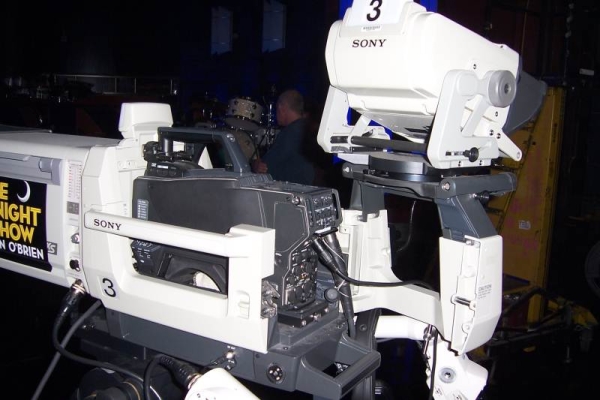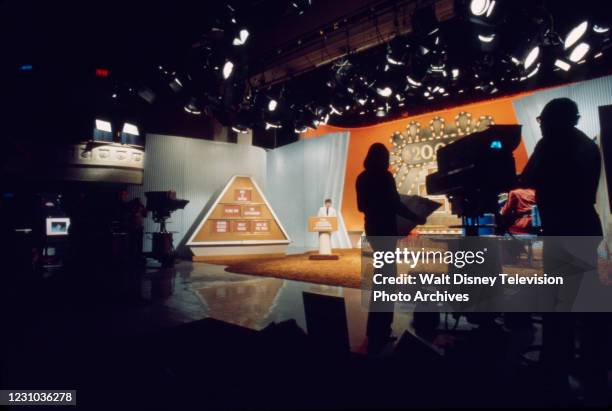
Every so often, a television show comes along that quietly resets the tone of an entire genre. For kids’ programming in the late 1970s, that show was Kids Are People Too. ABC launched it on September 10, 1978, and for the next four years — right up through September 5, 1982 — it became the network’s Sunday‑morning handshake with a generation of kids who were suddenly being treated less like children and more like young adults with opinions, questions, and a growing appetite for pop culture. Behind the scenes, the show was also a proving ground. One of the young directors cutting his teeth there was Don Roy King, working out of ABC’s Studio 15. King would go on to become one of the most celebrated live‑television directors of his generation, eventually taking the helm at Saturday Night Live — a job he held for 16 seasons, from 2006 to 2021. By the time he stepped away, he had earned 11 Emmy Awards and a reputation as one of the best live directors televisions has ever had. Not a bad trajectory for someone who started by wrangling cameras and kids on a Sunday‑morning youth show.
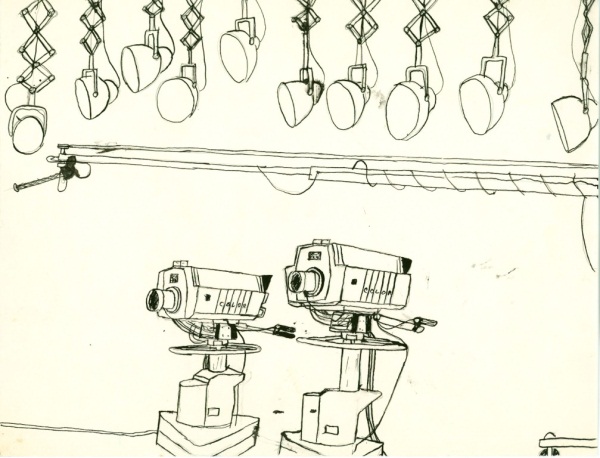
This is a look at the Elysee Theater like we have never seen before, because we get the FULL TOUR here including the control room! The theater was also the home of The Dick Cavett Show, $10,000 Pyramid, David Frost Specials and way back there, Masquerade Party.
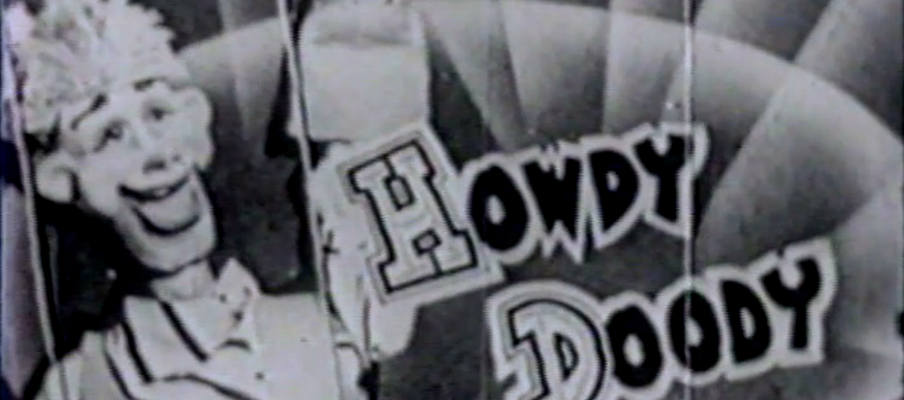
This clip is from our dear friend Burt Dubrow, who you’ll see here as the Studio Producer, but is perhaps best known as the man who discovered Sally Jessy Raphael, and produced her show for 18 years BUT, Bert’s heart is in the 1950s because he is among the foremost authorities on Howdy Doody in the world. Burt is the man who brought Buffalo Bob Smith out of retirement and into the college arena tours that were packed at every stop.
This show didn’t talk down to its audience. That was the magic. Where earlier programs leaned on games, gags, and giveaways, Kids Are People Too leaned forward. It mixed celebrity interviews, live music, comedy, and a surprisingly thoughtful advice segment called “Dear Alex and Annie.” The studio audience — older kids and early teens — wasn’t just window dressing. They were part of the conversation, asking questions, reacting, and giving the show an energy that felt closer to a teen talk show than anything that had existed before.
When Nickelodeon began shaping its early identity in the 1980s, you can see the fingerprints of Kids Are People Too all over the place. Shows like Livewire and Nick Rocks borrowed the same idea: treat kids like real people, give them real guests, real music, and real conversations. The series earned multiple Emmy nominations and even took home the 1978 Emmy for Outstanding Children’s Entertainment Series, but its real legacy is quieter and more personal. For the kids who watched it, the show felt like television finally understood them. And for the industry, it proved that “children’s programming” didn’t have to be childish — it could be smart, stylish, and surprisingly grown‑up.