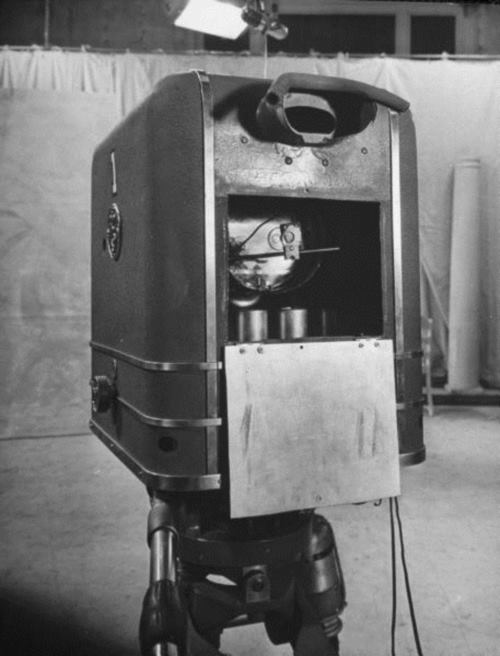
On the back side, things are a little crude on the outside, but inside…state of the art. That pitiful looking viewfinder allows the operator to see an optical image on a ground glass screen. Like the image on the Iconoscope tube (right), it is also inverted and backward meaning panning left with the camera would make the image center move to the right, tilting up would make the image center move down, and so on. On the left, you can see the rear of the Iconoscope tube but the image shown on the right could not be seen from there as the receiving surface faced the lens on the front of the camera.
Related Posts
1939: Exploding the Television Boom
- May 1, 2016
Wow! This nine-page article from Mechanix Illustrated is full of pictures, but the story is the biggie. TV had a lot of problems getting off the ground and a lot of those are laid out here. Sarnoff is being pushed by the government, costs of development are explored, problems with linking the coasts, and a […]
The History Of Video Tape Development By The Man Who Did It!
- April 12, 2016
Melvin Sater’s 18 page account of those early days of developing the first commercially available line of video tape, at 3M. Above is Melvin Sater’s 18 page account of those early days of developing the first commercially available line of video tape, at 3M. Most of this amazing read has to do with the 1956 […]
1954 Rose Parade…First West To East Color Broadcast
- January 1, 2014
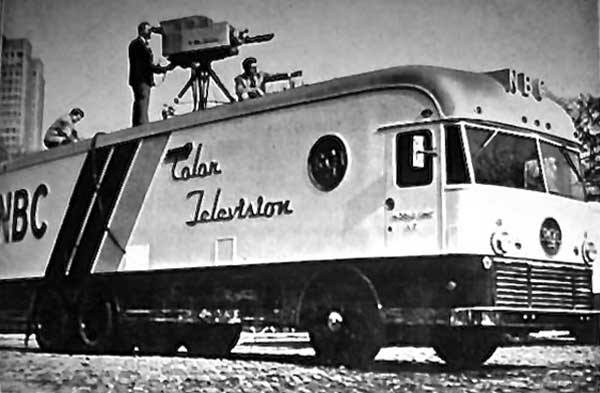
January 1, 1954 marked several color television “firsts”…it was the first time the new NBC color trucks were used. It was the first west to east color broadcast to be nationally televised and of course, it was the first color broadcast of The Rose Parade. The two new color remote trucks were ready in December […]
The Early History of Howdy Doody…Television’s First Hit Show
- December 30, 2016
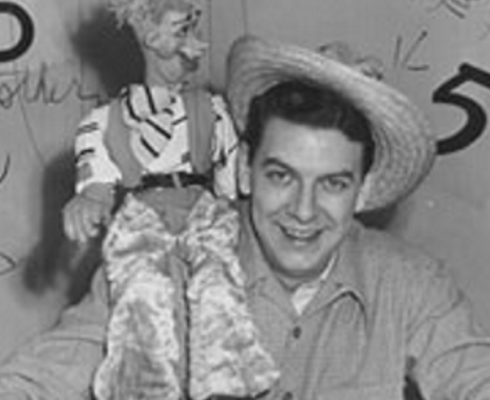
“The Howdy Doody Show” wasn’t just early television — it defined it. As network TV’s first daily program and later the first daily show broadcast in color, it set the pace for everything that followed. With the help of Howdy historian Burt Dubrow, I’ve pulled together a 41‑page deep dive filled with rare photos, firsthand […]